Wiser Tricks is an independent financial comparison platform. We may earn a commission when you click through.
7 Personal Loan Myths That Can Cost You More
A low monthly rate can hide a costly loan. Compare ACR, fees, repayment terms, and eligibility before signing any Philippine loan.
The most expensive personal-loan myth is this: a low monthly add-on rate means a cheap loan. A 1.20% monthly rate can still produce a much higher annual cost once fees and the repayment structure are included.
This guide separates seven common assumptions from the numbers. The shortlist includes bank loans from BDO, BPI, Metrobank, EastWest, PSBank, SB Finance, CIMB, and UnionBank, using the rates and fees published in their available product information.
Rates and terms shown are representative. Your actual rate depends on your credit profile and circumstances. This is not financial advice — always read the lender's terms before applying.
Myths about rates and total cost
Monthly add-on rates are easy to advertise because they look small. Annual contractual rates and effective interest rates tell you more about what the loan really costs.
BPI Personal Loan
Myth: a 1.20% monthly add-on rate automatically makes a loan cheap. BPI’s published information places its annual contractual rate around 25.03% to 28.67%, and the loan also has a ₱1,500 processing fee plus documentary stamp tax above ₱250,000. That fee matters: on a smaller loan, ₱1,500 takes a bigger bite from the amount you actually receive. Existing BPI credit card holders may get a faster route, but the advertised rate is not guaranteed. Best for existing BPI customers borrowing a larger amount who can absorb the upfront fee and want a 12-to-36-month bank loan.

BPI Personal Loan
What to do instead: Ask for the annual contractual rate, effective interest rate, processing fee, documentary stamp tax, disbursement deductions, and early-settlement charge. Compare the total repayment amount, not just the monthly percentage.
That is why CIMB’s 18% starting rate deserves attention, but only as a starting point. BPI’s wider published range and fee structure may be easier to evaluate for an existing customer, while CIMB can be cheaper for a well-qualified digital applicant.
Metrobank Personal Loan
Myth: a longer term always saves money because the monthly payment is lower. Metrobank lists a 1.25% monthly add-on rate for 24-to-36-month terms, but shorter terms can carry a higher 1.75% rate, and the loan includes a ₱1,500 disbursement fee. The monthly payment may feel manageable over three years, yet more months can mean more interest paid in total. Metrobank also lists an ₱850 late-payment fee per incidence and a pre-termination charge of 5% of the outstanding balance or ₱550. Best for borrowers who need a major-bank branch network and can repay within 24 to 36 months without making late or early payments.

Metrobank Personal Loan
BDO Personal Loan
Myth: the biggest bank must have the cheapest personal loan. BDO’s published annual contractual rate range is narrow at 25.98% to 26.76%, which makes the pricing more predictable than a wide risk-based range, but it is not automatically the lowest. The ₱2 million ceiling is also below EastWest and BPI’s ₱3 million limits. BDO does offer a useful online calculator and no prepayment penalty, so the loan can be easier to plan and close early than Metrobank’s product. Best for borrowers who value branch and ATM access, predictable pricing, and the ability to prepay without a penalty more than the absolute lowest rate.

BDO Personal Loan
What to do instead: Treat bank size as a convenience feature, not a price guarantee. Use the lender’s calculator, then request a written repayment schedule showing the net amount released and the total amount due.
BDO’s narrow rate range is useful for budgeting, while Metrobank can work better for someone committed to its lower 24-to-36-month tier. Neither wins automatically; the right answer depends on term, fees, and how soon you plan to repay.

Myths about eligibility and loan size
A large approval limit is not the same as easy approval. Income requirements, employment type, credit history, and documentation still shape the offer you receive.
EastWest Personal Loan
Myth: a ₱3 million unsecured limit means most borrowers can access ₱3 million. EastWest advertises up to ₱3 million and terms reaching 60 months, but the listed minimum gross monthly income is ₱25,000. Its 1.79% monthly add-on rate translates to an effective annual range of about 39.82% to 47.03%, which is materially more expensive than BPI’s published range. The long term lowers the monthly burden, but it can stretch the interest cost. Best for an established salaried borrower earning at least ₱25,000 monthly who needs a large unsecured amount and accepts a higher price for five-year repayment flexibility.

EastWest Personal Loan
SB Finance Personal Loan
Myth: freelancers and self-employed borrowers have no mainstream personal-loan options. SB Finance specifically lists freelancers, self-employed applicants, and OFW beneficiaries among the groups it serves, with an income threshold as low as ₱12,000 outside Metro Manila. Accessibility comes at a price: the 2% flat monthly add-on rate works out to roughly 39.43% APR, alongside a ₱5,000 processing fee and a ₱300 notarial fee for loans of ₱100,000 or more. Best for a freelancer, self-employed worker, or OFW beneficiary who may not meet a major bank’s underwriting rules and has compared the higher total cost against the value of approval access.

SB Finance Personal Loan
What to do instead: Match the loan to your income evidence. A borrower with regular payroll income may pay less through BPI, BDO, or UnionBank, while a freelancer may need to compare the higher SB Finance cost against the likelihood of qualifying. Do not apply repeatedly without checking requirements first.
EastWest and SB Finance prove opposite points: one offers a high ceiling but asks for ₱25,000 monthly income, while the other lowers the income barrier but charges more. Approval access and price are often linked.
PSBank Flexi Personal Loan
Myth: a small loan is automatically affordable. PSBank’s Flexi Personal Loan starts at ₱20,000 and reaches ₱250,000, but its 1.75% monthly add-on rate corresponds to an effective annual rate of about 41.29% to 42.88%. A ₱1,500 handling fee or 1% of the credit line further reduces the value of a smaller loan. The Prime Rebate for advance payments helps borrowers who can pay ahead, yet the product only offers 24- or 36-month terms. Best for someone needing ₱20,000 to ₱250,000 who has a clear plan to make advance payments and can confirm that the rebate outweighs the high effective rate and handling fee.

PSBank Flexi Personal Loan
UnionBank Personal Loan
Myth: a low monthly add-on rate tells you enough to compare loans. UnionBank lists a 1.26% monthly add-on rate and up to 60 months, but the effective rate including fees reaches 31.98%. The fully digital application is convenient, though its branch network is smaller than BDO’s or BPI’s. A ₱2 million unsecured ceiling gives it room for larger needs, but the longer term can increase total repayment even when the monthly bill looks comfortable. Best for a borrower who wants a digital major-bank application, needs up to ₱2 million, and will compare the full effective cost against BPI or BDO before choosing.

UnionBank Personal Loan
What to do instead: Separate three questions: can you qualify, how much will be released, and how much will you repay? PSBank may reward early payment, SB Finance may accept income types major banks do not, and UnionBank may reduce branch visits. None of those features erases the need to price the loan.
For official terms, check the BPI Personal Loan page, the CIMB Personal Loan page, and the UnionBank Personal Loan page before applying. Product pages can change, and final approval terms are personal.
What actually matters before you sign
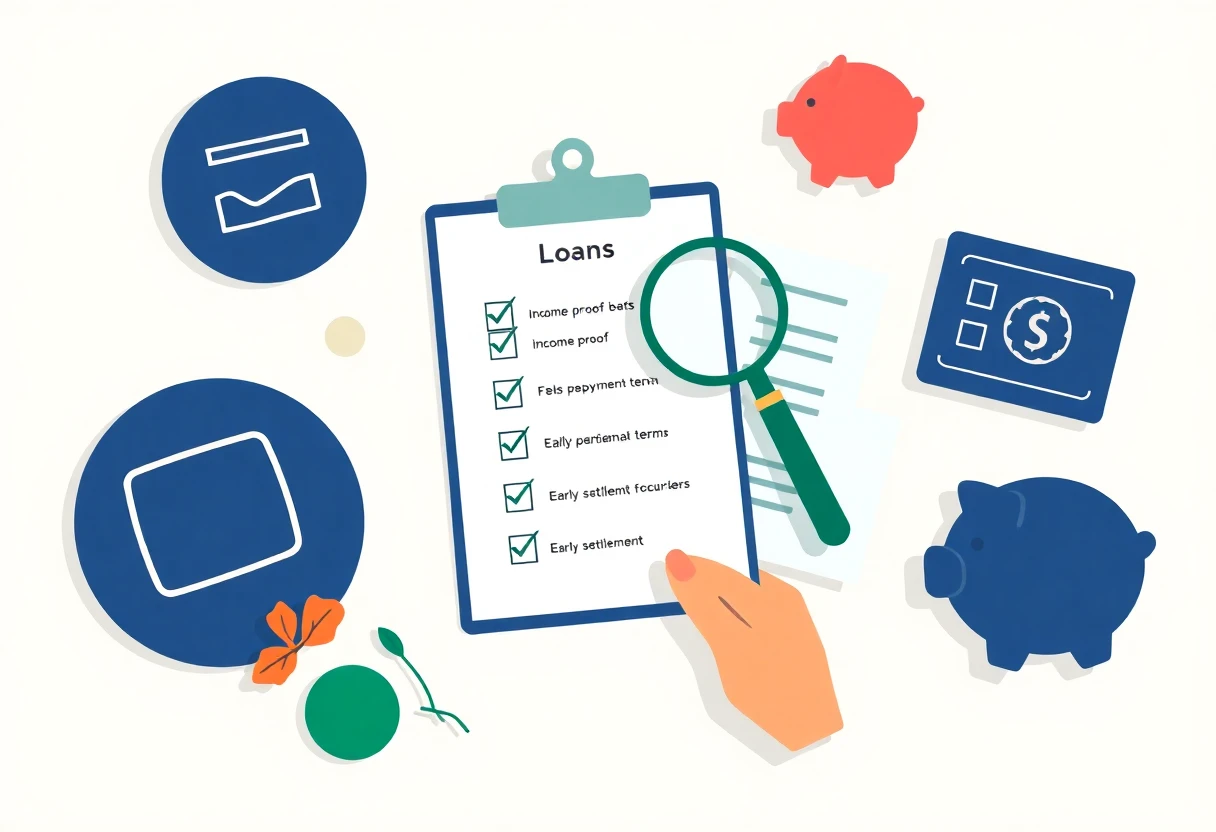
Ignore the headline rate until you have these answers in writing:
- Net amount released: How much reaches your account after processing fees, taxes, and other deductions?
- Total repayment: What is the full amount paid over the selected term?
- Effective rate: How does the annual cost compare with other lenders?
- Term: Does the lower monthly payment justify paying for more months?
- Early settlement: Is there a fee, rebate, or penalty if you repay ahead?
- Late payment: What fixed fee or additional interest applies after a missed due date?
- Eligibility: Is the advertised rate available to your income type, employment status, and credit profile?
My pick for a rate-focused digital borrower is CIMB, but only if the final offer stays close to its 18% starting rate and early settlement is unlikely. For an existing bank customer who values predictable pricing and broad access, BDO or BPI deserves a closer comparison. Freelancers and OFW beneficiaries should examine SB Finance, but the higher cost needs to be treated as the price of broader eligibility, not a bargain.
A personal loan is affordable only when the monthly payment, total repayment, fees, and exit rules all fit your budget. For a wider comparison of lower rates versus easier qualification, read Philippine Personal Loans: Lowest Rates vs Lower Barriers.
